Contractor mortgages: day rate vs accounts based lending
Two ways UK lenders work out a contractor's income, side by side, and who each one tends to suit.
Last reviewed:

UK lenders assess contractors in one of two ways: on an annualised day rate, or on company accounts and tax returns. For a limited company contractor who keeps profit in the business, the day rate route often shows a higher income. For a contractor with a long track record who draws most of what they bill, accounts based lending can work just as well.
What is day rate lending?
Day rate lending treats the contract as the income. The lender multiplies the day rate by the days worked each week, usually five, and then by a set number of working weeks, often 46 or 48. That figure is used as the contractor's annual income, before the lender applies its usual affordability checks.
Day rate lenders usually want to see the current contract, a record of contracting history and bank statements showing the contract income being paid in.
What is accounts based lending?
Accounts based lending treats a limited company contractor like any other company director. The lender uses the salary and dividends the contractor has drawn, usually from SA302s and tax year overviews, or in some cases their share of the company's net profit. Many lenders average the last two years.
That approach suits income that has been drawn steadily for a while. It does not reflect profit left in the company, money set aside for tax, or a recent rise in the day rate.
Day rate vs accounts: how they compare
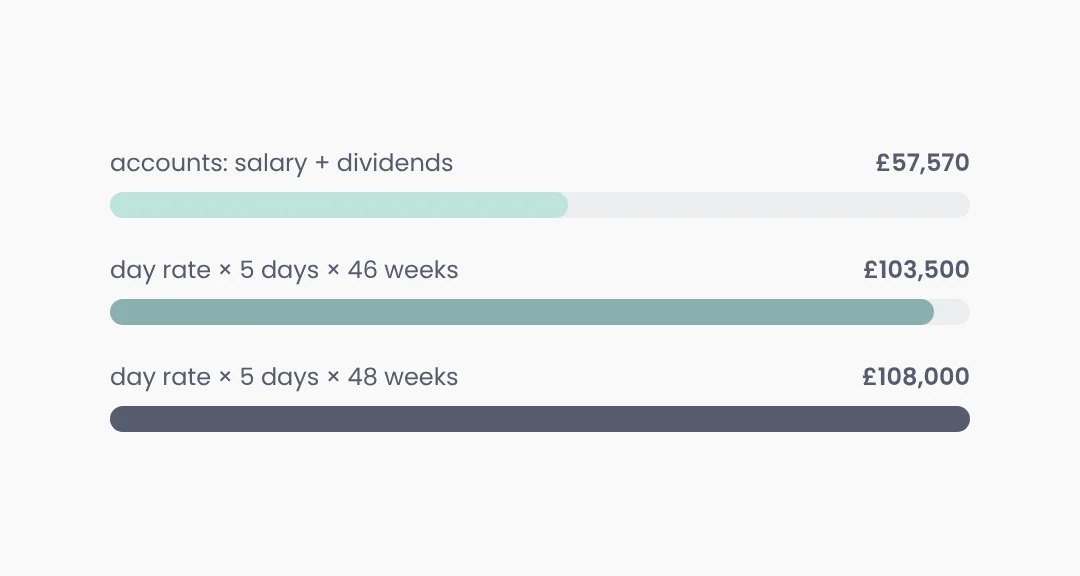
The table uses one contractor with illustrative figures: a £450 day rate, five days a week, through a limited company paying a £12,570 salary and £45,000 in dividends. The borrowing ranges use simple multiples of 4.5 to 5.5 times income. They are not an offer or a recommendation, and all lending is subject to underwriting and valuation.
| Accounts based | Day rate, 46 weeks | Day rate, 48 weeks | |
|---|---|---|---|
| Income the lender uses | Salary and dividends drawn | £450 × 5 days × 46 weeks | £450 × 5 days × 48 weeks |
| Illustrative income | £57,570 | £103,500 | £108,000 |
| Illustrative borrowing range | £259,000 to £317,000 | £466,000 to £569,000 | £486,000 to £594,000 |
| Main evidence | SA302s, tax year overviews, accounts | Contract, history, bank statements | Contract, history, bank statements |
| Track record usually wanted | Often two years | Often around 12 months | Often around 12 months |
Same contractor, same contract, very different figures. The gap comes from what each lender chooses to count, not from the contractor's earnings.
Who does day rate lending tend to suit?
Day rate lending tends to suit contractors whose accounts understate what the contract is worth. That usually means:
- limited company contractors who leave profit in the company or keep drawings low
- contractors who have recently increased their day rate
- umbrella and inside IR35 contractors, where some lenders will annualise the day rate instead of using irregular payslips
- contractors with less than two years of accounts but a solid contract and history
Who does accounts based lending tend to suit?
Accounts based lending tends to suit contractors with a longer track record who draw most of what they bill, so that the accounts already reflect their income. It can also suit contractors between contracts, or those whose work is spread across many short engagements that do not fit a day rate calculation neatly.
Some contractors also run a business alongside contracting, or hold other income. In those cases the accounts route can give a fuller picture.
What else do lenders check?
Whichever route a lender uses, underwriters usually check:
- Contracting history. How long you have contracted, and whether you moved from employed work in the same field.
- The current contract. Time remaining, and your record of renewals or new contracts.
- Gaps between contracts. Short breaks are normal. Longer ones may need explaining.
- Outgoings and credit. The usual affordability checks still apply.
The day rate is only part of the assessment, so a high rate does not guarantee a higher mortgage.
How do you choose the right route?
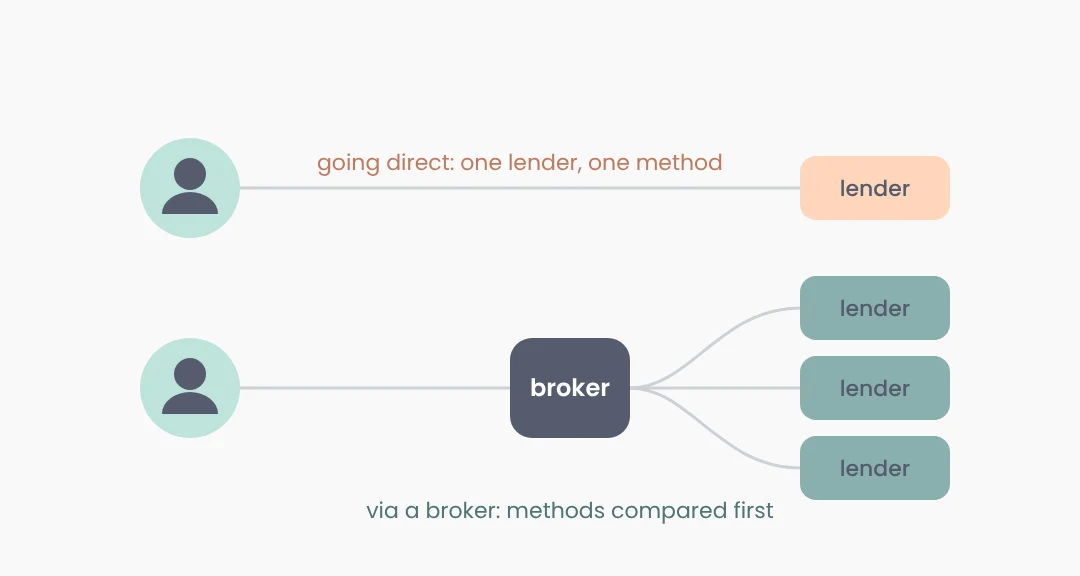
Start with the figure each route would produce, then check which lenders using that route would accept your contract type and history. That is the comparison a specialist broker makes before an application goes in. Our page on contractor mortgages sets out what lenders usually ask for, and our earlier piece on turning a day rate into income shows how the number of weeks changes the figure.
Common questions
Can a contractor get a mortgage based on their day rate?
Yes, with some UK lenders. They multiply the day rate by the days worked each week and by a set number of weeks, often 46 to 48, and use the result as income. They usually want a current contract and some contracting history. All lending is subject to underwriting and valuation.
How many weeks a year do lenders use for contractors?
Many day rate lenders use 46 weeks, and some use 48. A few use a different figure. The two weeks between 46 and 48 can change the income figure by several thousand pounds on a typical day rate.
Do I need a year of contracting history for a mortgage?
Many lenders look for around 12 months of contracting. Some accept less, particularly where you moved from employed work in the same field, or have a long contract in place. Gaps between contracts may need explaining.
Does it matter if I am inside or outside IR35?
It can. Lenders treat inside IR35 and umbrella contractors differently from those trading outside IR35 through their own company. Some use the day rate in both cases, and some prefer payslips or accounts for inside IR35 roles.
Your home is at risk if you do not keep up repayments on a mortgage or other loan secured on it.
Wondering how a lender would read your income?
Tell us a little about your situation and we’ll arrange a call.
Talk to an adviser