Contractor mortgages: how lenders turn a day rate into income
Why your accounts might not be the figure that matters.

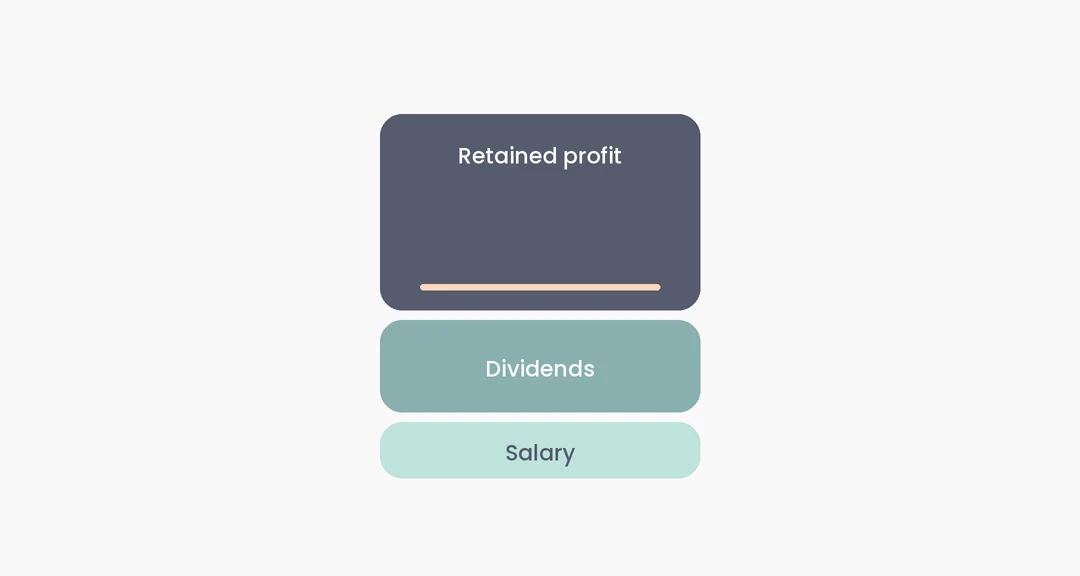
If you contract through your own limited company, your accounts probably tell a modest story. A small salary, some dividends, and the rest left in the company on your accountant’s advice.
Read that way, a contractor earning £550 a day can look like someone on £60,000 a year. Many lenders don’t have to read it that way. They can look at your day rate instead.
Two ways a lender can read a contractor
The accounts route. You are treated like any other company director. The lender takes your salary and dividends, often averaged over two years. If you draw little and leave profit in the company, the figure is low.
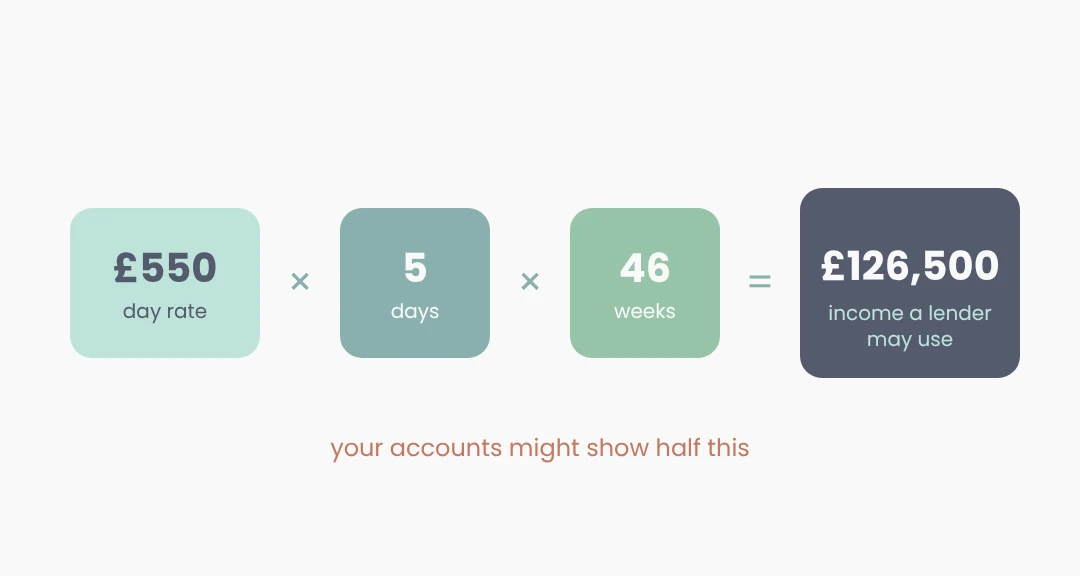
The contract route. The lender takes your day rate, multiplies it by the days you work each week, then by a set number of working weeks a year. Most use 46 or 48 weeks, to allow for holidays and gaps between contracts.
Same contractor, same work, very different figures. Here is an illustration:
- Accounts route: £12,570 salary plus £50,000 dividends = £62,570. Illustrative range at 4.5 to 5 times: £282,000 to £313,000.
- Day rate route, 46 weeks: £550 × 5 days × 46 weeks = £126,500. Illustrative range: £569,000 to £633,000.
- Day rate route, 48 weeks: £550 × 5 days × 48 weeks = £132,000. Illustrative range: £594,000 to £660,000.
This is an illustration only, not an offer or advice. What a lender may actually offer depends on its own criteria and affordability checks, including your outgoings, credit history and deposit. All lending is subject to underwriting and valuation.
Why 46 or 48 weeks matters
It sounds like a detail. On a £550 day rate, the two extra weeks add £5,500 to the income a lender uses. At five times income, that is up to £27,500 of potential borrowing from one assumption in a lender’s criteria.
Some lenders also use hourly rates, or base the sum on fewer days if your contract says so. The wording of your contract matters as much as the rate.
What lenders usually want to see
- Time contracting: often 12 months, though some lenders accept less if you did the same work as an employee before.
- A current contract: usually with some time left to run, and a history of renewals helps.
- Gaps between contracts: short gaps are normal. Long or frequent ones get questions.
- Evidence of the rate: the contract itself, plus invoices or bank statements showing the payments arriving.
- How you are paid: limited company, umbrella company, inside or outside IR35. Lenders treat each slightly differently.
When the day rate is not the right route
The contract route suits most established contractors, but not everyone. If your days vary a lot, your contract is very new, or you also have income from other sources, the accounts route or a mix of the two can sometimes work better. The point is to choose deliberately, not by default.
Timing your application
Many contracts renew in the new year. If you are planning a move or a remortgage, applying while a contract is in place, with time left to run, is usually easier than applying in a gap. If a renewal is due soon, it is worth talking it through before you sign or before your current deal ends.
Try it with your own figures
Our self employed mortgage calculator shows your day rate annualised at 46 and 48 weeks, side by side, with an illustrative borrowing range. Nothing you type is sent or stored.
If the result looks very different from what your accounts suggest, that is the conversation to have before you apply. Our page on contractor mortgages explains how we approach these cases, or get in touch.
All lending is subject to underwriting and valuation.
Your home is at risk if you do not keep up repayments on a mortgage or other loan secured on it.
Wondering how a lender would read your income?
Tell us a little about your situation and we’ll arrange a call.
Talk to an adviser