Using a specialist broker vs going direct as a company director
A balanced look at when a company director benefits from a specialist mortgage broker, and when going direct to a lender is fine.
Last reviewed:

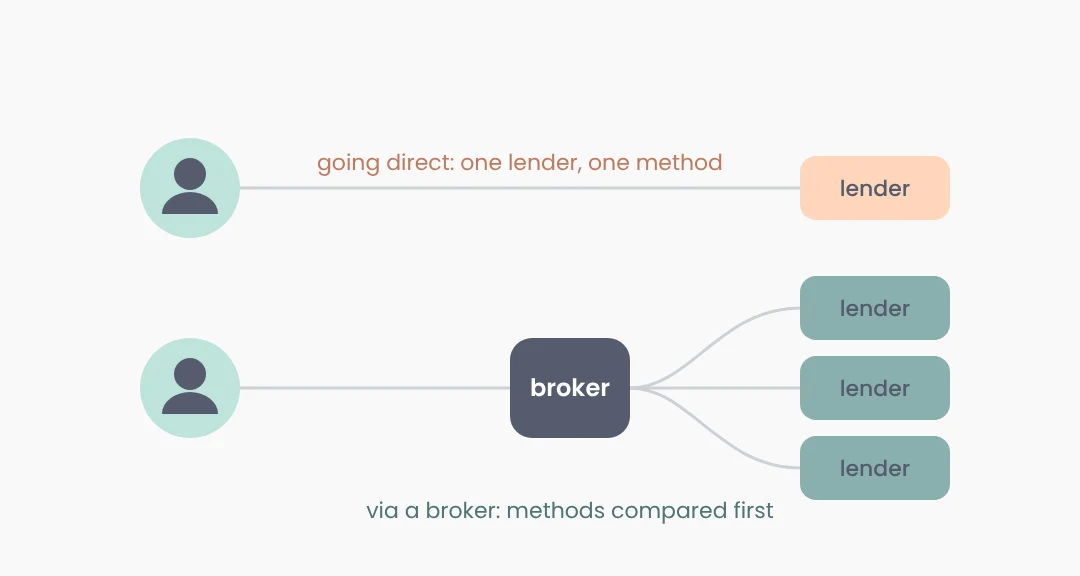
A company director can go direct to a lender and get a perfectly good mortgage, particularly with steady salary and dividends and simple accounts. A specialist broker tends to make the biggest difference when the income is harder to read: profit retained in the company, several companies, a recent jump in profit or a small shareholding. In those cases the choice of lender can change the income figure more than the rate does.
What changes when a company director goes direct?
Going direct means applying to one lender and being assessed on that lender's method. If that method suits how the director is paid, the result can be good. If it does not, the director may be offered less than another lender would consider, with no comparison to show it.
The lender's adviser can only recommend that lender's products. That is a fair arrangement, as long as the borrower knows it.
What does a specialist broker do differently?
A specialist broker compares how several lenders would read the same set of accounts before an application goes in. For a company director, that usually means checking:
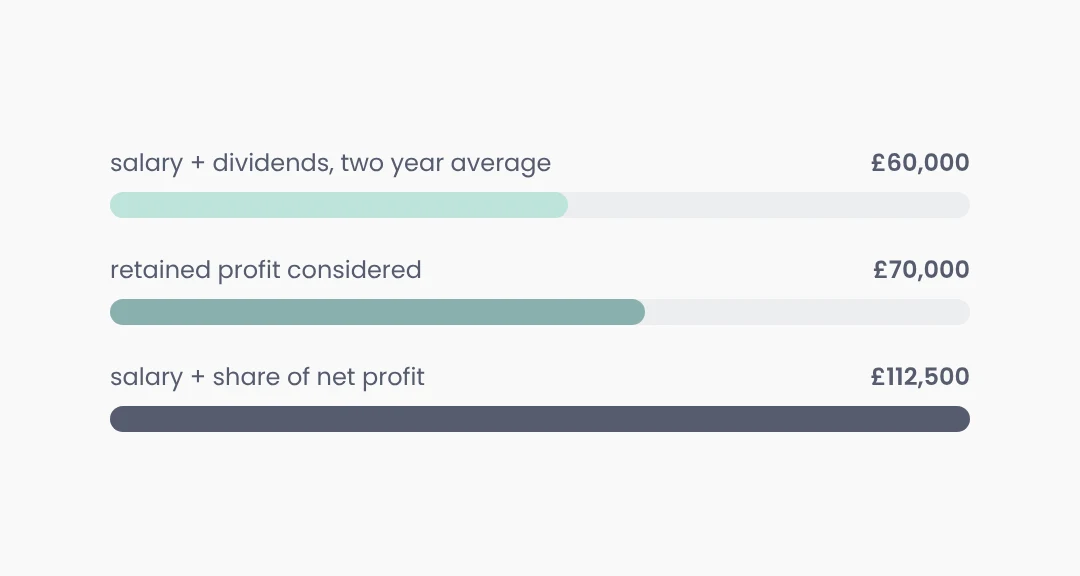
- whether the lender uses salary and dividends, or salary plus a share of net profit
- whether it averages two years or will use the latest year
- how it treats a shareholding below 20% or 25%
- whether it can follow income across more than one company
The broker then presents the case to the underwriter with the structure explained up front, and handles the questions that follow. Some lenders only accept applications through brokers, so going direct also means those lenders are not considered.
Broker vs direct: how they compare
| Going direct to a lender | Using a specialist broker | |
|---|---|---|
| Lenders considered | One | Several, including some that only work through brokers |
| Income method | That lender's method only | Compared across lenders before applying |
| Who presents the case | You, using the lender's forms | The broker, with the structure explained up front |
| Cost | Usually no advice fee | May charge a fee, disclosed before you commit |
| Tends to suit | Simple drawings, clean accounts, existing lender relationship | Retained profit, several companies, recent growth, minority shareholding |
When can going direct be fine?
Going direct can be fine, and sometimes the better choice, when:
- Income is simple. A steady salary and dividends drawn for several years, from one company, with no big change in profit.
- It is a product switch. Staying with your current lender for a new rate often needs little or no reassessment of income, so a lender's own product switch can be quick and straightforward.
- You already bank privately. A private bank that knows your wider finances may assess you on its own terms, outside standard criteria.
- You have already compared. If you know your income reads well on most lenders' methods, the main question is rate and fees, which you can check yourself.
It is still worth checking the total cost, including fees, and the borrowing figure each route produces.
When does a specialist broker add most?
A specialist broker tends to add most for a company director when:
- profit is left in the company rather than drawn
- income comes from more than one company
- the latest year is much stronger than the year before
- the shareholding is small, or shares are held across family members
- a previous application was declined or came back lower than expected
- timing matters, such as a purchase deadline or a new company with short trading history
In these cases the choice of lender is usually the deciding factor, and comparing methods before applying avoids a decline or an unnecessary credit search.
What should a director ask before deciding?
Whichever route you choose, it is worth asking which income figure the lender is using and why. If the figure looks low against your accounts, ask whether another lender would read the same accounts differently. Our page on mortgages for limited company directors explains the main methods, and our article comparing salary and dividends with net profit shows how far apart they can be.
Common questions
Do company directors need a specialist mortgage broker?
Not always. A director with steady salary and dividends, two years of accounts and a straightforward company may do well going direct. A specialist broker tends to add most where income is retained in the company, spread across several companies, recently increased or otherwise complex.
Can a mortgage broker get a better deal than going direct?
Sometimes, but not always. Some lenders only deal through brokers, and a broker can compare how different lenders read the same accounts. A lender's direct rate can also be the best available for some borrowers. The right answer depends on the case, and all lending is subject to underwriting and valuation.
Will applying to several lenders hurt my credit file?
Each full application usually leaves a hard search on your credit file. Several in a short period can concern some lenders. A broker checks criteria first so that applications go to lenders likely to accept the income, which can reduce unnecessary searches.
Does a broker charge a fee?
Many brokers charge a fee, and most also receive a payment from the lender when a mortgage completes. A broker must tell you about any fee before you are committed to it, so you can weigh the cost against going direct.
Your home is at risk if you do not keep up repayments on a mortgage or other loan secured on it.
Wondering how a lender would read your income?
Tell us a little about your situation and we’ll arrange a call.
Talk to an adviser