How much can I borrow if I’m self employed?
What UK lenders count as self employed income, how they calculate it, and what that means for how much you may be able to borrow.
Last reviewed:

Many UK lenders lend between 4.5 and 5.5 times the income they accept, with the top of that range offered by some lenders in some cases. For the self employed, the bigger question is which income figure a lender accepts. That depends on how you trade and which years the lender uses, and it can change how much you may be able to borrow more than the multiple does.
How do lenders calculate self employed income for a mortgage?
UK lenders calculate self employed income from your tax records and accounts, using a different figure for each way of trading:
| How you trade | Income the lender usually uses | Main evidence |
|---|---|---|
| Sole trader | Net profit | SA302s and tax year overviews |
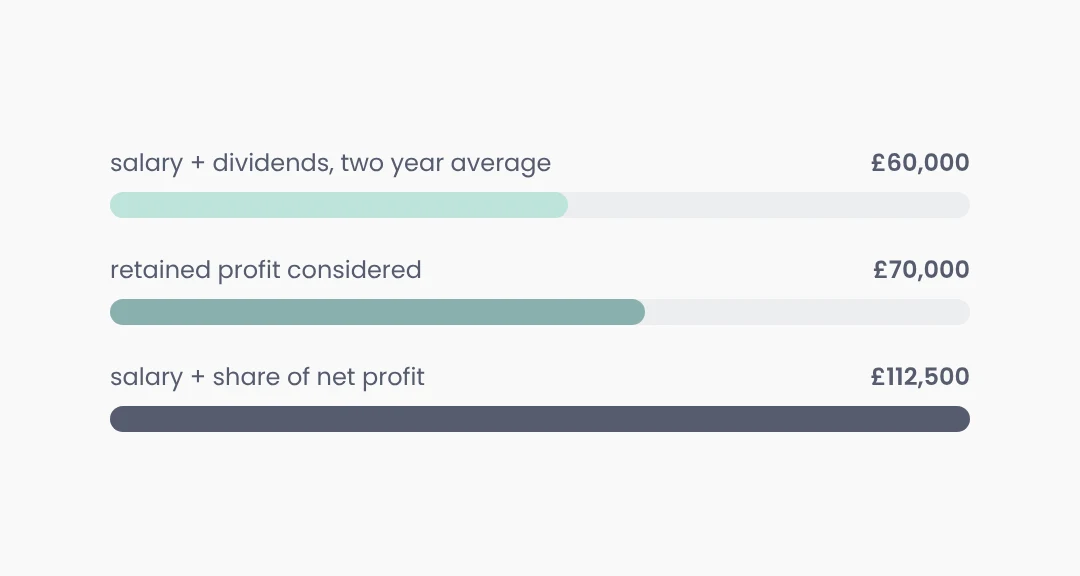
| Limited company director | Salary and dividends, or salary plus share of net profit | SA302s, tax year overviews, company accounts |
| Partner or LLP member | Share of the firm’s profit | SA302s, or a letter from the firm |
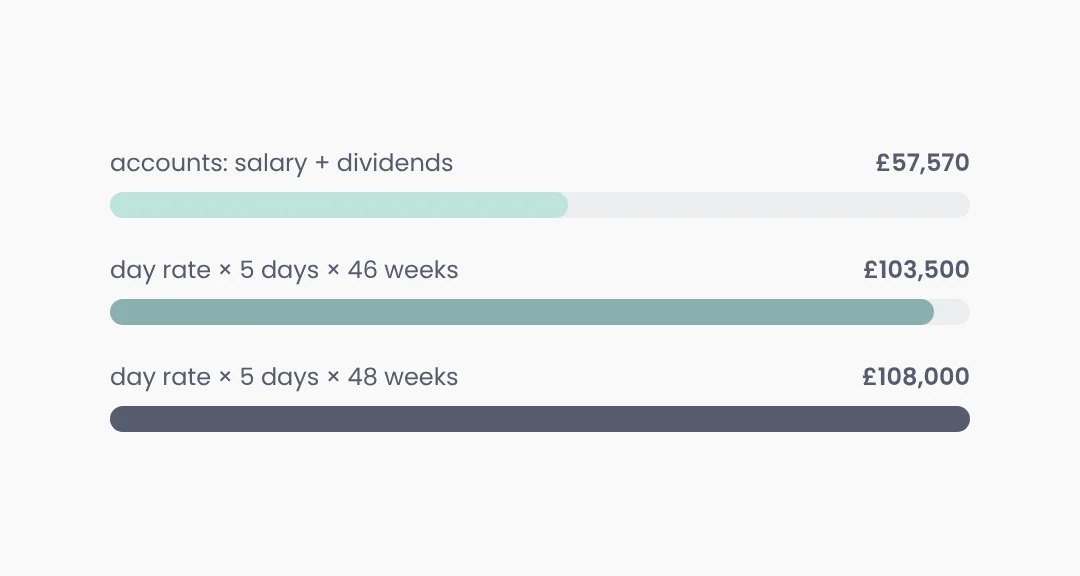
| Contractor | Annualised day rate, or the accounts | Contract and contracting history, or accounts |
Most lenders then average the last two years. Some will use the latest year on its own where income has gone up, and where income has fallen most will use the lower figure.
A worked example for a sole trader
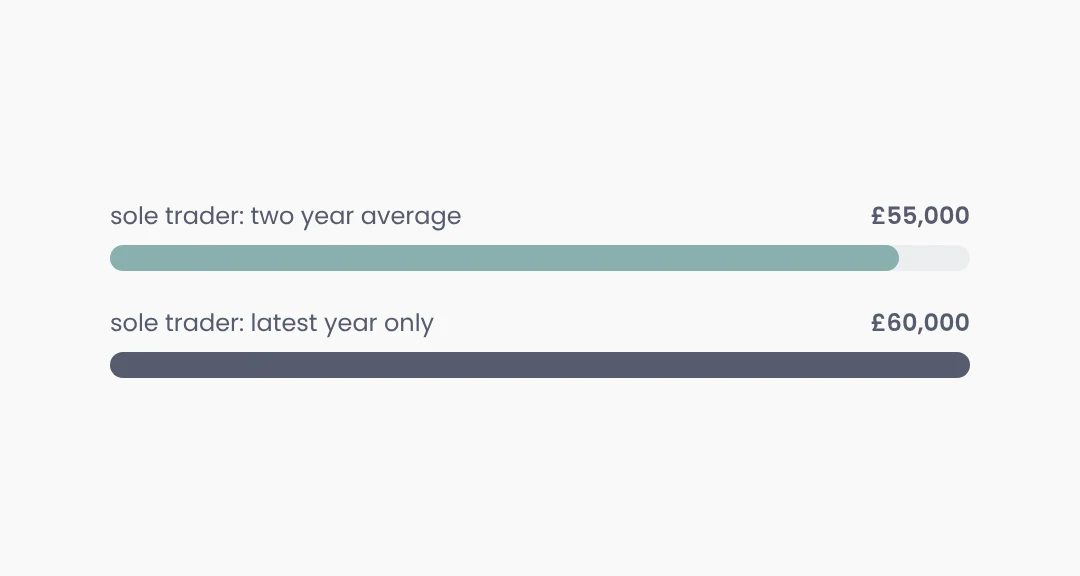
A sole trader with net profit of £50,000 last year and £60,000 this year could be read in two ways. These figures are illustrative only, using simple multiples of 4.5 to 5.5 times income. They are not an offer or a recommendation, and all lending is subject to underwriting and valuation.
| Two year average | Latest year only | |
|---|---|---|
| Income the lender uses | £55,000 | £60,000 |
| Illustrative borrowing range | £248,000 to £303,000 | £270,000 to £330,000 |
Same person, same accounts, a different answer depending on the lender. For a company director who leaves profit in the business, the gap between methods is often much larger, as our comparison of salary and dividends vs net profit shows.
How many years of figures do lenders need?
Many lenders ask for two years of figures. Some will consider one year, particularly where you moved from employed work in the same field and your income has continued. A newer business narrows the choice of lenders rather than ruling a mortgage out.
What else affects how much I can borrow?
Income is only the starting point. Lenders also look at:
- Outgoings: loans, car finance, credit cards, childcare and other regular commitments
- Credit history: how you have managed credit, including any missed payments
- Deposit: a larger deposit usually opens up more lenders
- Tax owed: any outstanding tax or a payment plan with HMRC
- Who is applying: a second applicant’s income and outgoings
Claiming legitimate expenses lowers your tax, but it also lowers the net profit a lender can use. That trade off is one to discuss with your accountant well before you apply.
How can I work out my own figure?
Our self employed mortgage calculator shows how different lenders might read your income as a company director, partner, contractor or sole trader, with an illustrative range for each. There is also a company director mortgage calculator and a contractor mortgage calculator. Our page on self employed mortgages covers what lenders usually ask to see.
Common questions
How much can I borrow on a mortgage if I'm self employed?
Many UK lenders lend between 4.5 and 5.5 times the income they accept, with the top of that range offered by some lenders in some cases. For the self employed, the bigger question is which income figure the lender accepts, which depends on how you trade and which years it uses. Outgoings, credit history and deposit also matter, and all lending is subject to underwriting and valuation.
How do lenders calculate self employed income for a mortgage?
For a sole trader, lenders use net profit from SA302s and tax year overviews. For a company director, most use salary and dividends, and some use salary plus a share of net profit. Partners are assessed on their share of the firm's profit, and some contractors on an annualised day rate. Many lenders average two years.
Do I need two years of accounts to get a mortgage?
Many lenders ask for two years, but some will consider one year of figures, particularly where you moved from employed work in the same field. A short trading history narrows the choice of lenders rather than ruling a mortgage out.
Do self employed people pay more for a mortgage?
Not necessarily. Many lenders offer the same products to self employed and employed borrowers. The difference is usually in how much a lender will lend, because of how it reads your income, rather than in the rate itself.
Your home is at risk if you do not keep up repayments on a mortgage or other loan secured on it.
Wondering how a lender would read your income?
Tell us a little about your situation and we’ll arrange a call.
Talk to an adviser