The income your lender never sees
Why salary and dividends tell only part of a director’s story.


Most directors I speak to have had some version of the same conversation.
They sit down with a lender, hand over two years of SA302s, and watch the figure settle somewhere well below what they expected. The business is doing well. The group has built real reserves. And yet the mortgage conversation feels like it is about a much smaller person.
I’ve been arranging mortgages since 1999, and I spent three years running a mortgage desk inside an accountancy firm. This is the pattern I see more than any other with company directors. Here I want to explain why it happens. Not to criticise lenders, but because once you can see the mechanics, the conversation changes.
What the lender usually reads
A standard affordability assessment for a director often starts with personal income: the salary you draw and the dividends you declare. Those figures appear on your tax return, so they are easy to evidence and easy to process.
For a lot of directors, that is a small part of the picture. You may pay yourself a modest salary and a level of dividends that suits your tax planning, while profit stays in the company to fund growth, cover a quieter year, or sit as reserves. That is sensible business management. It just doesn’t look like income on an SA302.
Where the gap opens up
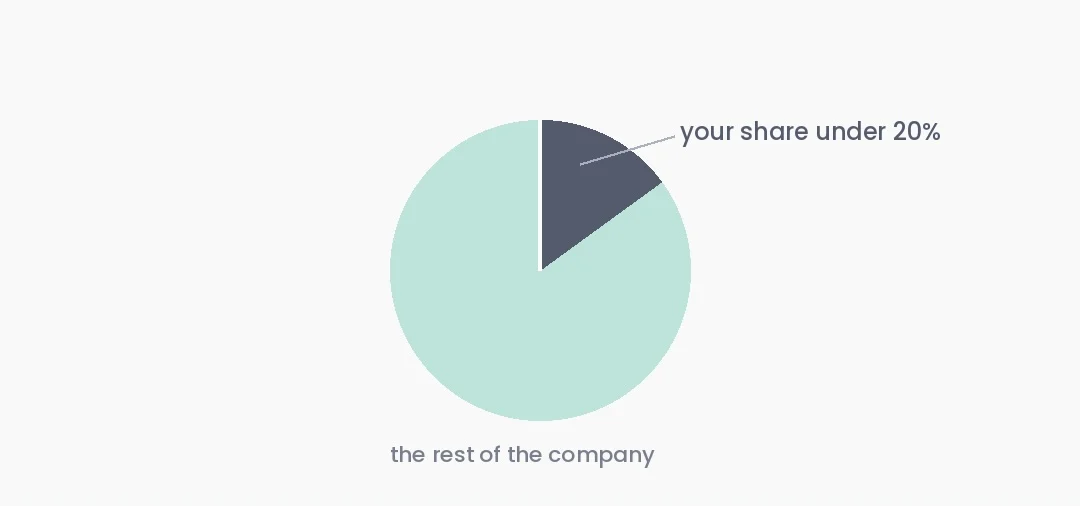
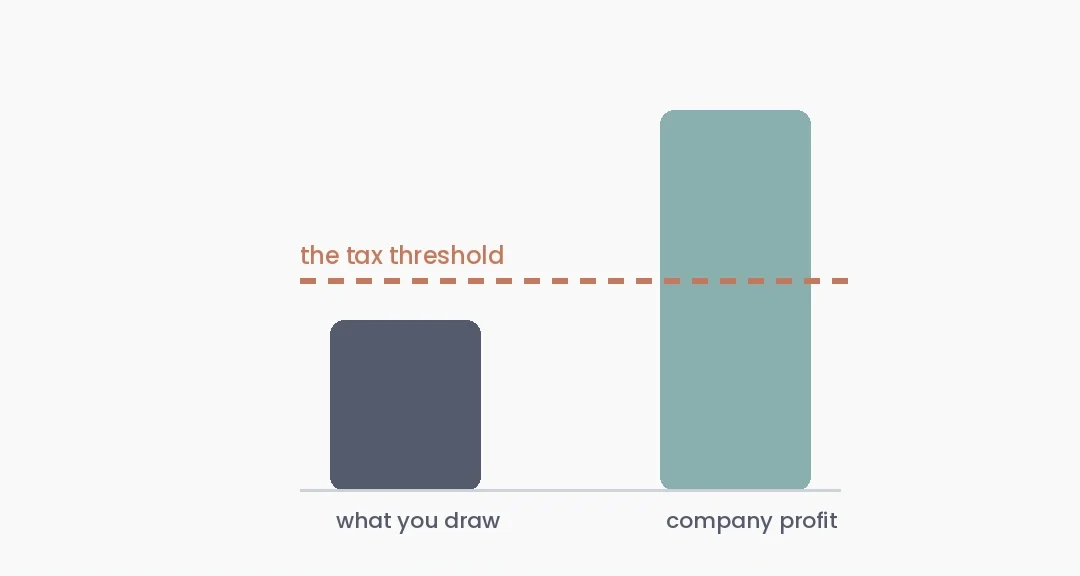
Here is an illustrative example, invented for this article and not a real case or a projection. A director draws salary and dividends of around £110,000 a year, while the group retains profit of more than £400,000. A lender reading personal income alone is assessing roughly a fifth of what the business generated.
Only some lenders will consider retained profit, and each applies their own criteria, so it’s important to approach the right lender. Any borrowing remains subject to the lender’s affordability assessment, underwriting and valuation.
Four places it usually goes wrong
- Two year averaging. Many lenders average the last two years. If the latest year was stronger, the average sits below where you are now.
- Salary and dividends only. Profit retained in the company never reaches the underwriter.
- Connected companies. Where income sits across several limited companies, a lender may only consider some of them, or may not follow how they connect.
- The legacy company. An old dormant company turns up on a search, and nobody explained it before the underwriter asked.
None of these is a failing on your part. They are what happens when complex income meets a process designed for simpler cases.
Why it matters more than the rate
Directors often come to me focused on the headline rate. That’s understandable. But if the income has been read narrowly, the rate is a secondary question. The first question is whether the right lender has been given the right picture, presented in a way their underwriter can follow.
Three questions to ask yourself
- When your income was last assessed, which figures did the lender actually use?
- Does anyone on your side understand how your companies connect?
- Is there anything in your history, such as an old company, that might need explaining?
Next, I’ll look at how some lenders may assess this kind of income differently, and what your accountant can prepare to help.
If any of this sounds familiar, there’s no pressure at all. Get in touch, or book a time for a chat whenever suits you.
Your home is at risk if you do not keep up repayments on a mortgage or other loan secured on it.
Wondering how a lender would read your income?
Tell us a little about your situation and we’ll arrange a call.
Talk to an adviser