Beyond the SA302: how some lenders read the whole business
What a fuller reading of a director’s income can look like.

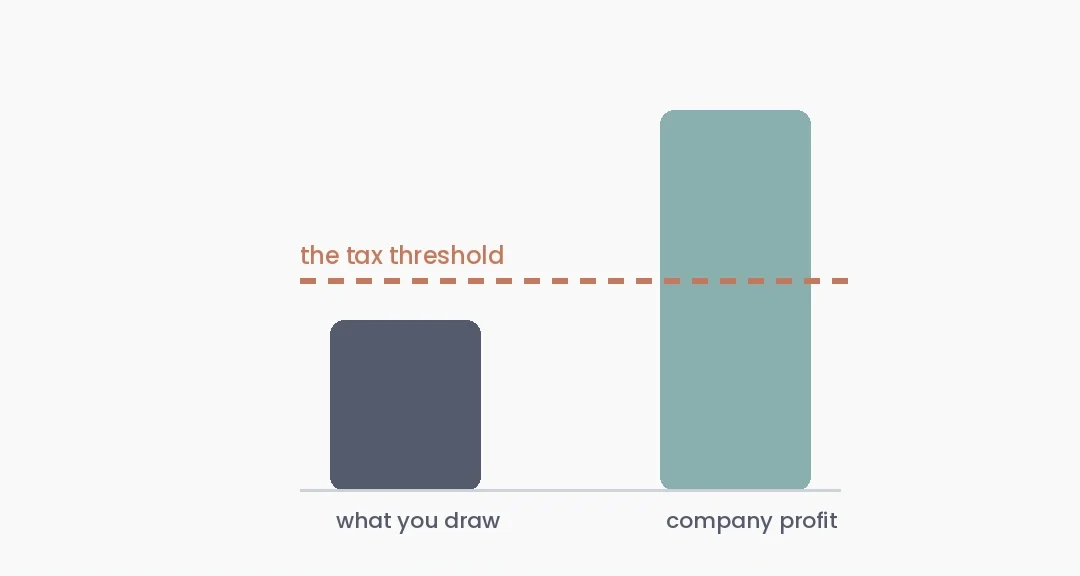
In the income your lender never sees I looked at why directors are so often assessed on a fraction of what their business makes. Here, the more useful question: what does a fuller reading look like?
The short answer is that some lenders are prepared to look past the SA302 and towards the business itself. Not every lender, not in every case, and always subject to underwriting and valuation. But the options are wider than many directors realise.
Four ways income may be assessed differently
Profit basis. Some lenders may consider your share of the company’s net profit, including profit retained in the business, rather than only what you drew out. This tends to suit directors with a significant shareholding who have deliberately left profit in the company.
Latest year. Where the most recent year is stronger and there is a clear reason for it, some lenders may use the latest year figures rather than an average. They will want to understand why, and your accountant’s input matters here. I cover this in more detail in your best year yet, averaged away by the lender.
Group structure. Where income sits across connected companies, some lenders will look at the group rather than a single company. The key is presenting the structure clearly: who owns what, how the companies relate, and where profit sits.
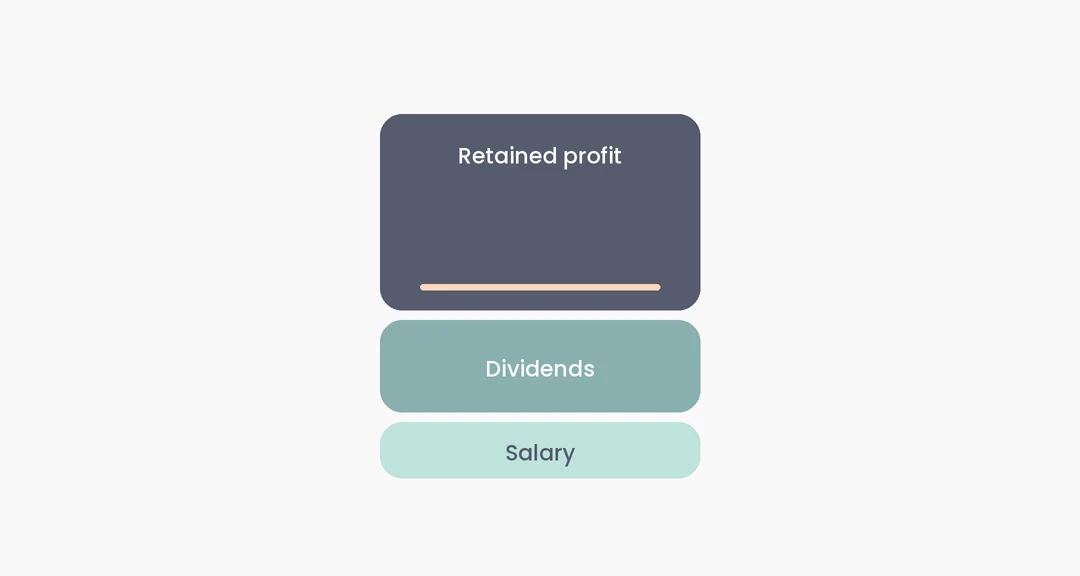
Layering. In some cases different elements can be considered together: salary, dividends, retained profit, and sometimes other income. How these are layered, and making sure nothing is counted twice, is a detail underwriters look at closely.
Why presentation matters as much as the lender
Two applications with identical figures can be read very differently. The difference is often how the case is presented: a clear covering note, a simple structure chart, an accountant’s explanation of retained profit, and any legacy or dormant company dealt with up front.
That isn’t spin. It is giving the underwriter what they need to make a decision with confidence, rather than leaving them to piece it together from documents.
Where your accountant comes in
Your accountant already knows the story of your business. In my experience, a short conversation with them early on often saves weeks later. Useful things they can prepare:
- Latest year accounts, and management accounts if the year end is some way off
- A note on retained profit: how much, and why it stayed in the business
- A simple chart of the group structure and your shareholdings
- Context on any dormant or legacy company
I spent three years running a mortgage desk inside an accountancy firm, and the biggest lesson was this: when the accountant and the broker speak to each other, the case is clearer for everyone, including the lender.
What this doesn’t mean
None of this means a particular lender will say yes, or offer a particular amount. Every case is assessed on its own merits, subject to underwriting and valuation. What it does mean is that you give yourself the chance to be assessed on the full picture.
This article is general information, not personal advice.
Your home is at risk if you do not keep up repayments on a mortgage or other loan secured on it.
Wondering how a lender would read your income?
Tell us a little about your situation and we’ll arrange a call.
Talk to an adviser